Insights from a Phase 1 ESA Expert
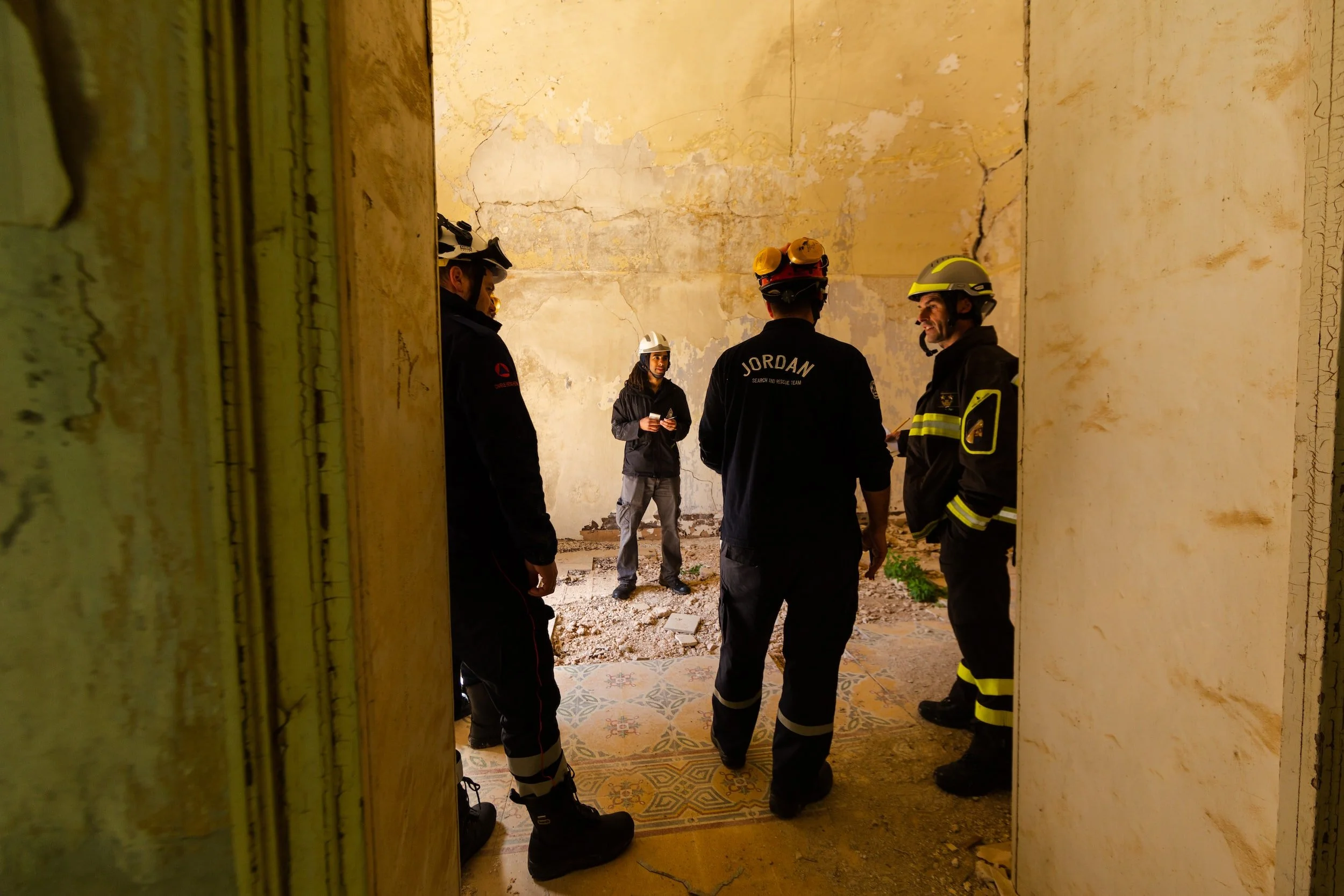
Phase I Environmental Site Assessments are required for most commercial real estate transactions. The use of Phase I ESAs is routine and the scope is very standardized. However, there are some important elements that should be understood by the user, which may have a significant impact on the conclusions and recommendations of the report, possibly affecting the transaction depending on the user’s risk tolerance and the proposed future use of the property.
Phase I ESAs are designed to provide liability protection under federal Superfund law (CERCLA). However, they don’t provide protection from other environmental statutes, such as State hazardous waste cleanup laws, State storage tank laws, and State water quality laws.
A Phase I ESA is not an environmental insurance policy. Yes, environmental consulting firms carry insurance for their errors and omissions. However, these policies would only take effect in the event that the firm misses something that should have been identified using customary industry practices. Generally speaking, since a Phase I ESA doesn’t involve intrusive investigation of soil, groundwater or soil vapor, if there is no evidence of potential contamination that is visible during the site reconnaissance or discoverable in historical records or interviews, then an environmental issue that is not identified in a Phase I ESA is the responsibility of the property owner, not the consultant.
A 30-day due diligence period provides ample time to complete a Phase I ESA, unless a government agency file review or a Phase II investigation are needed. Many government agencies take over a month to schedule a file review, and even a limited Phase II investigation takes a few weeks to complete. Especially for industrial properties or properties with common environmental concerns like automotive shops, gas stations and dry cleaners, it is best to allow for at least 60 days for due diligence.
In following ASTM’s standard for Phase I ESAs, the environmental professional must consider whether an observed condition would be “the subject of an enforcement action if brought to the attention of appropriate governmental agencies.” As a result, the conclusions drawn in a Phase I ESA can be influenced by regulatory programs that are specific to the location of the property, as well as the planned future use of the property. Examples of these are New Jersey’s ISRA regulations which are triggered by the transfer of certain industrial properties, and New York City’s E-Designation Program that imposes certain investigation and remediation requirements for properties that are planned for redevelopment. For greenfield development sites, determining the presence of wetlands and endangered species and their regulation under State and Federal programs should be determined early in the due diligence process, as they can pose substantial limitations on the development of the site.
Planned future use of a property is an important consideration in environmental due diligence, but can be easily overlooked. Cleanup levels for soil and groundwater are commonly more stringent for residential use than for commercial use. Similarly, the planned excavation depth for new construction can have substantial cost implications when there is contaminated soil to be managed. Sharing of information between the project architect/engineer and the environmental consultant during the due diligence phase can facilitate design decisions and provide valuable input in the construction budgeting process.
Don’t worry about sounding professional. Sound like you. There are over 1.5 billion websites out there, but your story is what’s going to separate this one from the rest. If you read the words back and don’t hear your own voice in your head, that’s a good sign you still have more work to do.
Be clear, be confident and don’t overthink it. The beauty of your story is that it’s going to continue to evolve and your site can evolve with it. Your goal should be to make it feel right for right now. Later will take care of itself. It always does.
This article was originally published by the Author on October 15th, 2019 on his blog, esaexperts.wordpress.com. Re-printed with permission from the Author.
Contributor(s): James “Jim” Cinelli